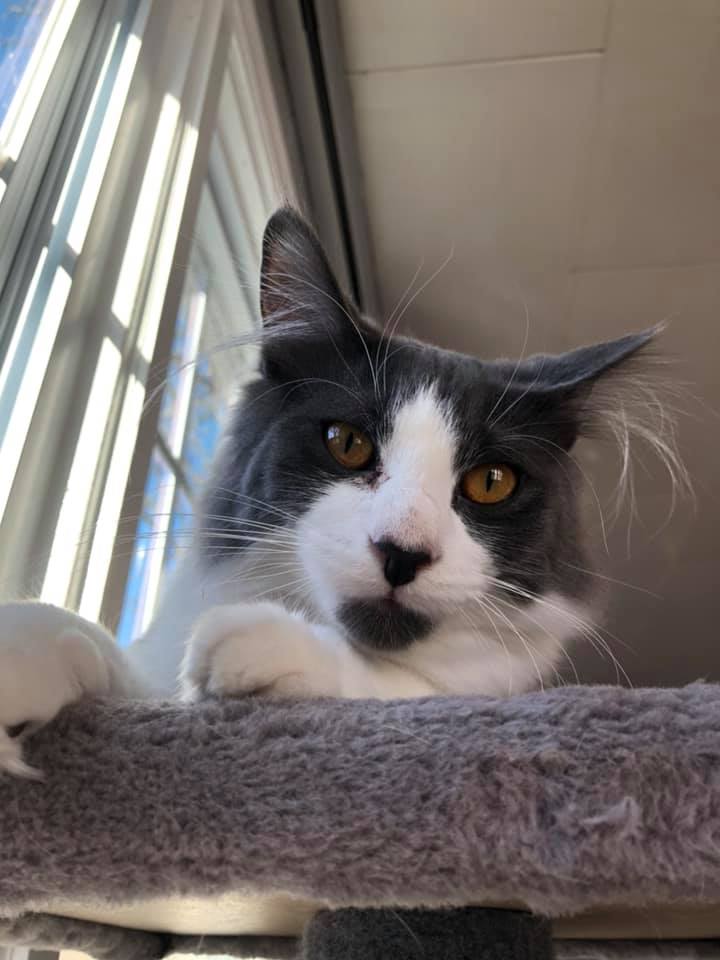
Meet Remi – Feral Cat Now House Pet

By Sheri LeClair Banitt
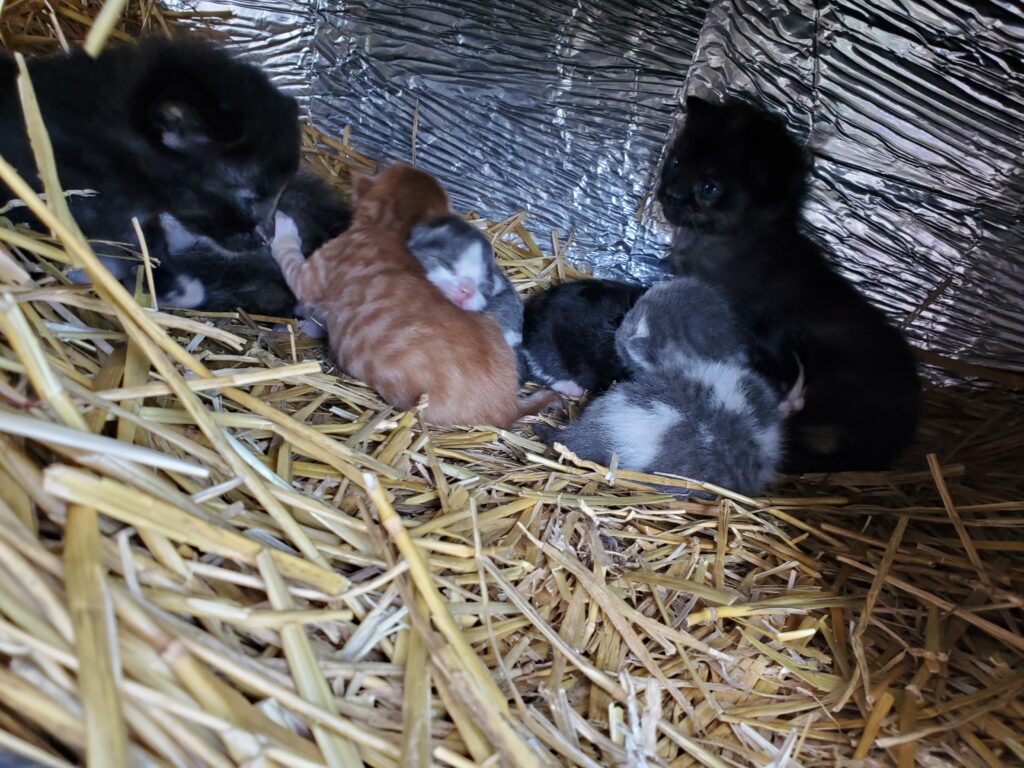
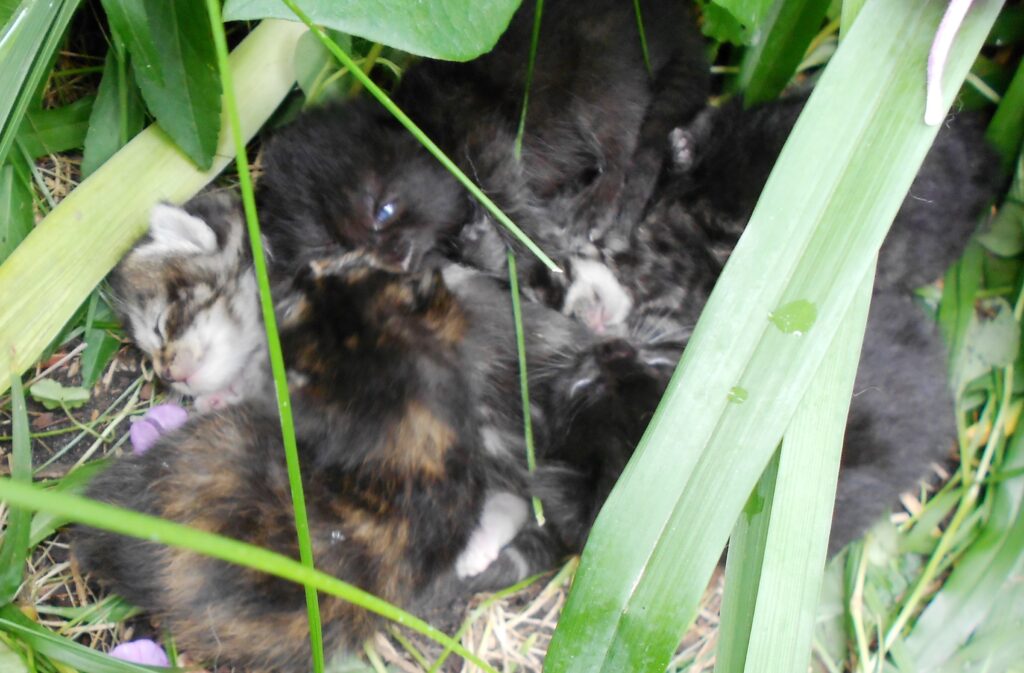
Remi was born to one of the feral mommas in my community cat colony in April of 2020. His home was a plastic storage tub lined with reflective insulation and filled with straw, stuck in the lilac bushes.

He belonged to a spring litter from one of several unspayed females in the colony. It is interesting to watch how they are cared for by the mothers. They will steal from each other’s nests and care for any number of kittens of different sizes. Most of them were healthy and survived until we could intervene in about the 4th or 5th weeks of life. That is when they are old enough to eat food and the mothers begin moving them around and taking them hunting.

My husband would catch the kittens, and we put them in a tower cat cage in the house. We kept them warm, dry and started them on wet and dry cat food. They were hissy at first and missed the outdoors and their momma. But kittens this age assimilate into human life very quickly. Once they were eating and using the litter box well, we let them socialize freely in our house until new homes could be found.
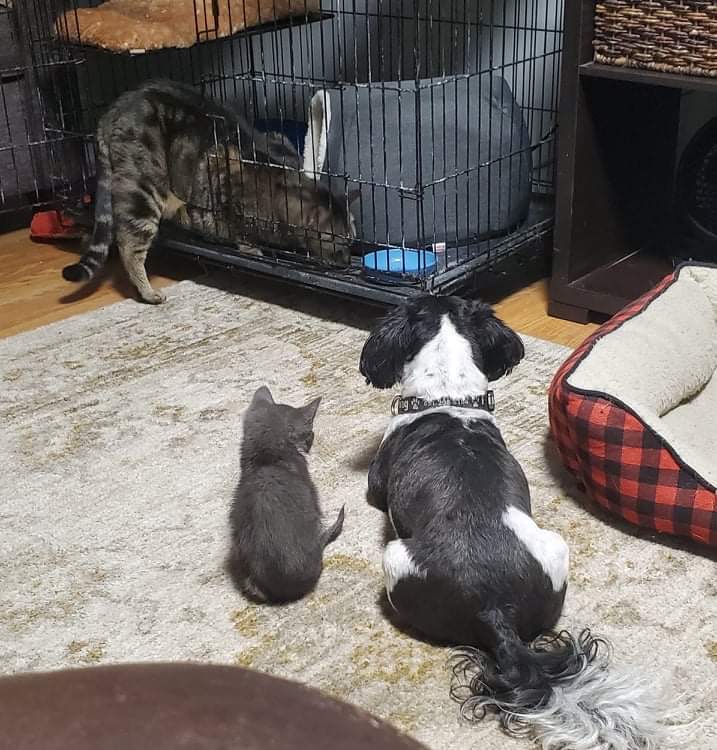
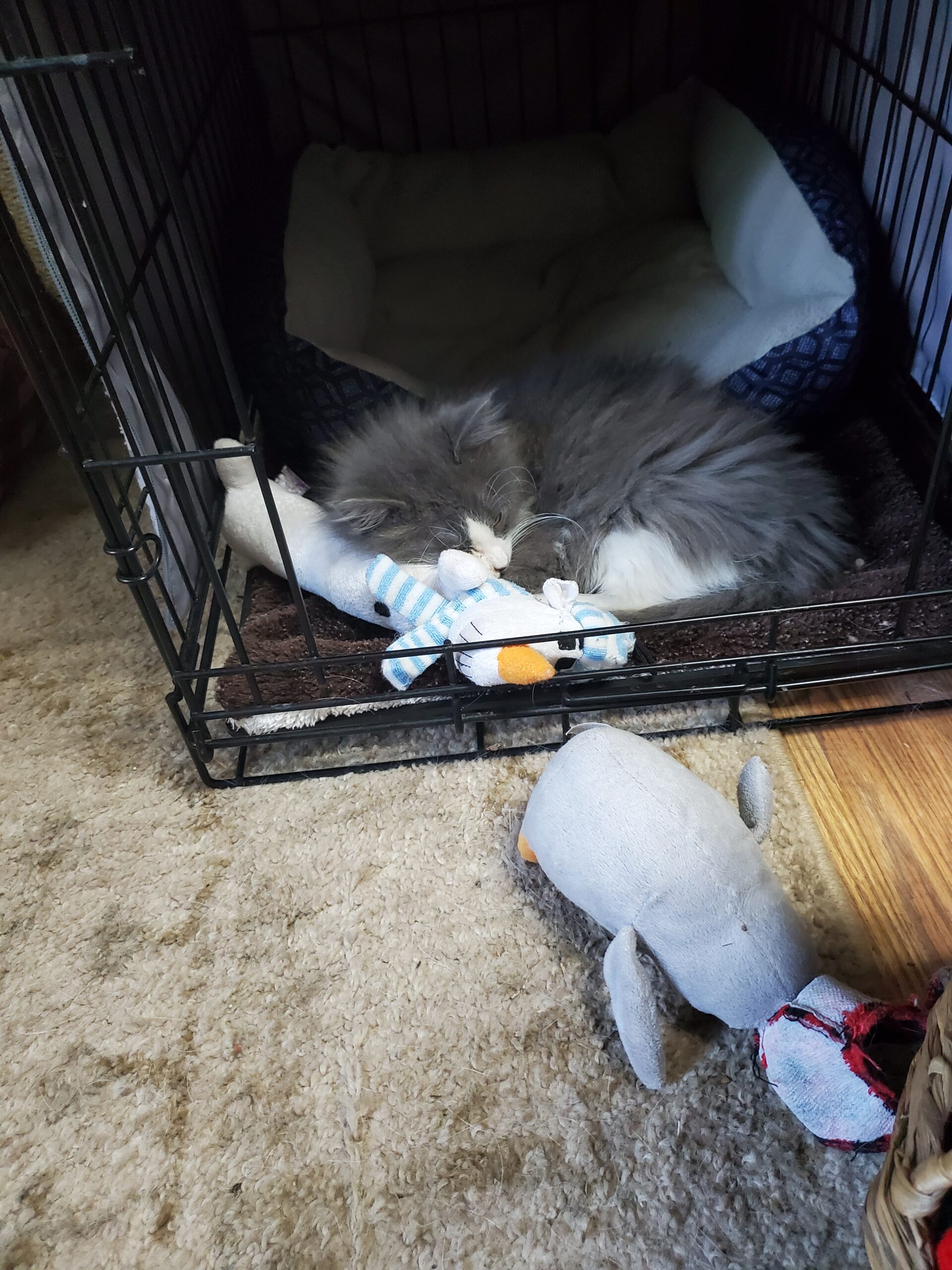
Remi was the last of his litter to find a home. He had a cold and no one was interested in him. It took several weeks of intensive care before he was well enough to consider rehoming. By that time, we were in love with him, so we kept him.

The next year, we began to TNR (Trap, Neuter, and Release back where they came from). With the help of a local woman named Katie, whom I call Katie Rescue, we spayed six females that year. One of them was Remi’s sister. She still comes to the feed station intermittently. At six years old, that is a long life for a feral.

Though I lost my husband two years ago, I continue to care for the colony cats at our house. I do not own these cats and they are not tame. I feed them once daily and there are about 5-7 that I see consistently. I will continue to feed and TNR but my days of rescue and rehoming are done, (unless I accidentally capture a kitten or two).

Feral community cats are in every neighborhood. I encourage you to look for them. Feed and TNR if you are able, and by all means get your indoor pet cats spayed or neutered and vaccinated. Roaming pets contribute greatly to the feral cat communities.
Through the years, several of the kittens in our colony were placed with rescue organizations for rehoming. Please consider donating to and/or volunteering with a local rescue organization. This will help keep our neighborhoods free of sickly cats and dogs and will get them into safe and loving homes.
RemiScents – Supporting Community Cats

By Sheri LeClair Banitt

Today I have launched RemiScents. I will be selling handmade cat toys made with homegrown catnip, along with hats for cats and fun accessories. Remi came from the feral colony of cats in my neighborhood. The money made from this will help me feed and care for my local feral community cats.

Through the years with my husband’s help, I fed a migrant community of feral cats. Twice daily for many years, we greeted 5 black cats and 5 tortoise shell cats at the food pans in the bushes. 

I lost my husband two years ago, but the community cats are still with me. I feed them once daily now and the colors have changed, but I still have one that we spayed 5 years ago, which is a long life for a feral cat.

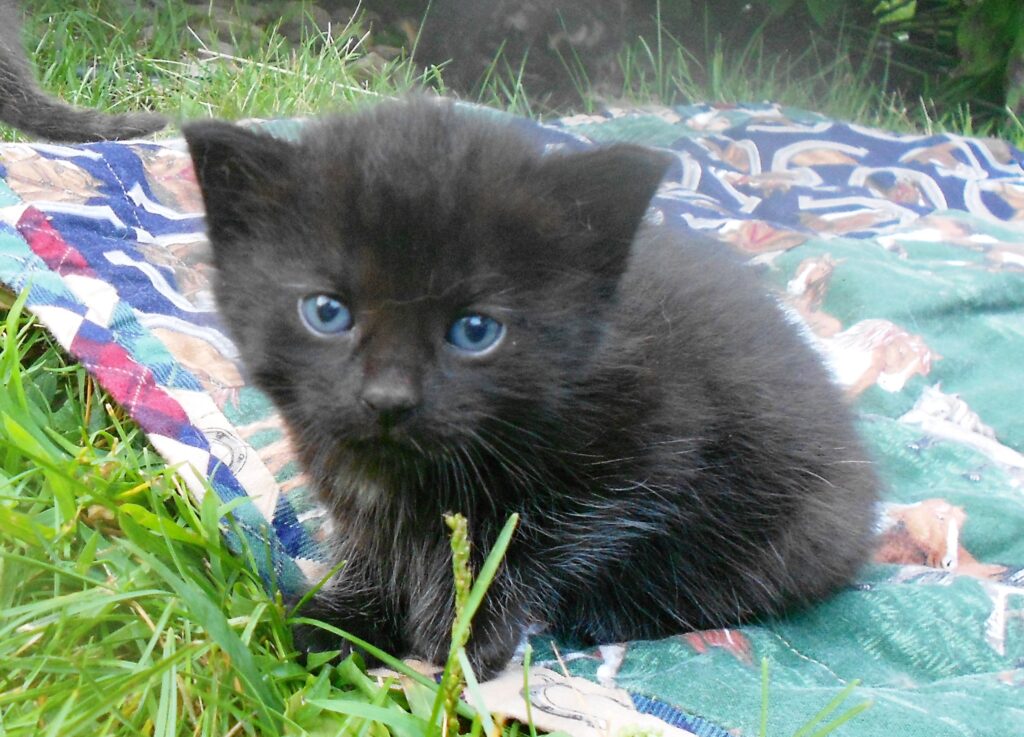
I learned about feral cats while gardening. When I first discovered a little black kitten living under the hostas, I left food out for him. He was black, so we called him Midnight.

He stuck around all that first summer and showed up periodically over the following winter. When summer came, Midnight disappeared and a whole litter of kittens appeared under the hostas!

We left food out for the momma kitty, and eventually we were able to handle the kittens with momma nearby.  Just as we were about to catch the whole bunch of them for rehoming, momma kitty disappeared and took all the kittens with her.

Year after year, kittens were born in the spring, and the challenge was to find them and rehome them before the momma cat took them and disappeared. Whenever we found them, the momma would move them to a new spot.  She often put them under the prickly bush on top of a pile of rocks. This seemed too cold, so I went online to order a cat house where litters could live until they were old enough to rehome.

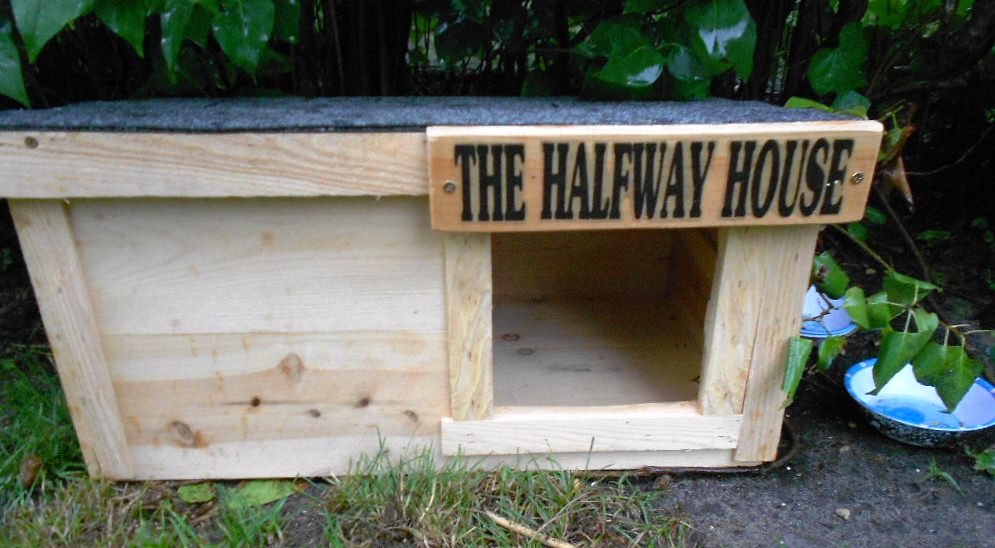
At the end of the order form, it said “personalize your house for no extra charge”.  I didn’t have a particular cat’s name to put on the house, but my daughter had a great idea.  And that is why the Halfway House is located in my lilac bushes.  

There are two humane ways of controlling the feral cat population. One is by TNR – Trapping, Neutering and Returning them to where they were trapped. The other is trapping and euthanasia. Feral cats can have happy healthy lives outdoors after they are TNR’d. Since house cats can sneak outdoors, they should be vaccinated, spayed and neutered. Even a brief escape can produce kittens.

    I still have a colony of several cats though I have rehomed over 30 kittens. There is no local support for managing them. I continue to feed them and TNR as many as possible in the spring. Once spayed or neutered, a notch is put in one of their ears while sedated so you can tell at a glance that they have been treated. Money I receive from selling RemiScents items will help me feed and TNR the cats in my colony.

    The best place for a cat is indoors with a loving family.